The Taproom Open and Close Checklist for Draft, Glass and Gas
A working list for open, mid shift and close: cooler and glycol readings, gas pressures, first pour checks, beer clean glassware, tap list accuracy on every screen, and the nightly teardown.
Before the Doors Open: Cooler, Glycol and Keg Temperature Readings
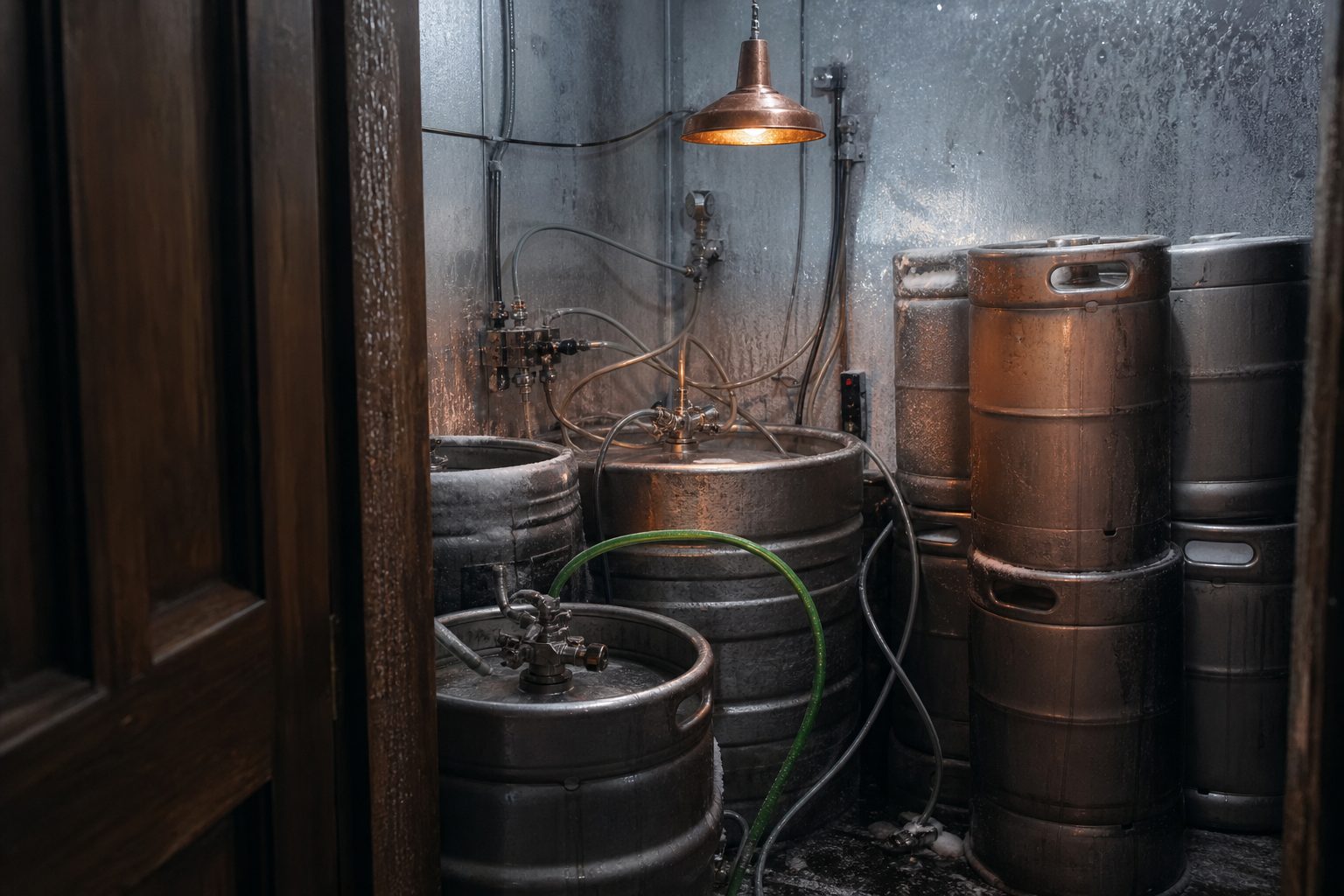
Every shift begins in the cooler. Pull the logbook or digital checklist. Record the temperature in the walk-in. Most brewers keep kegs at 36 to 38 degrees Fahrenheit. The right temperature holds back foaming, preserves carbonation, and keeps beer flavors where you intend them. If the reading is out of range, check the cooler doors, air curtain, and thermostat. Not every drift in temperature means a breakdown, but unexplained swings need attention before guests arrive.
Next, check the glycol power pack if you run long-draw lines. Glycol should read between 28 and 32 degrees, depending on your system. Look for signs of leaks, unusual noise, or icing. Top off the glycol reservoir as needed. Take note of any alarms or fault lights. Catching issues with line chillers early can prevent a night of foamy pours and wasted product.
While you are in the cooler, glance at the kegs set for service. Feel for any that are warm to the touch, which may indicate a recent delivery or a tap handle that was not properly rotated off an empty keg. Give each coupler a quick visual check for leaks or loose connections. A minute here saves you from the scramble later when the bar is full.
Keep reading: Keg Yield Math: Pours, Loss and Pour Cost by Glass Size
Gas Room: CO2 and Nitrogen Levels, Leak Check, Regulator Set Points
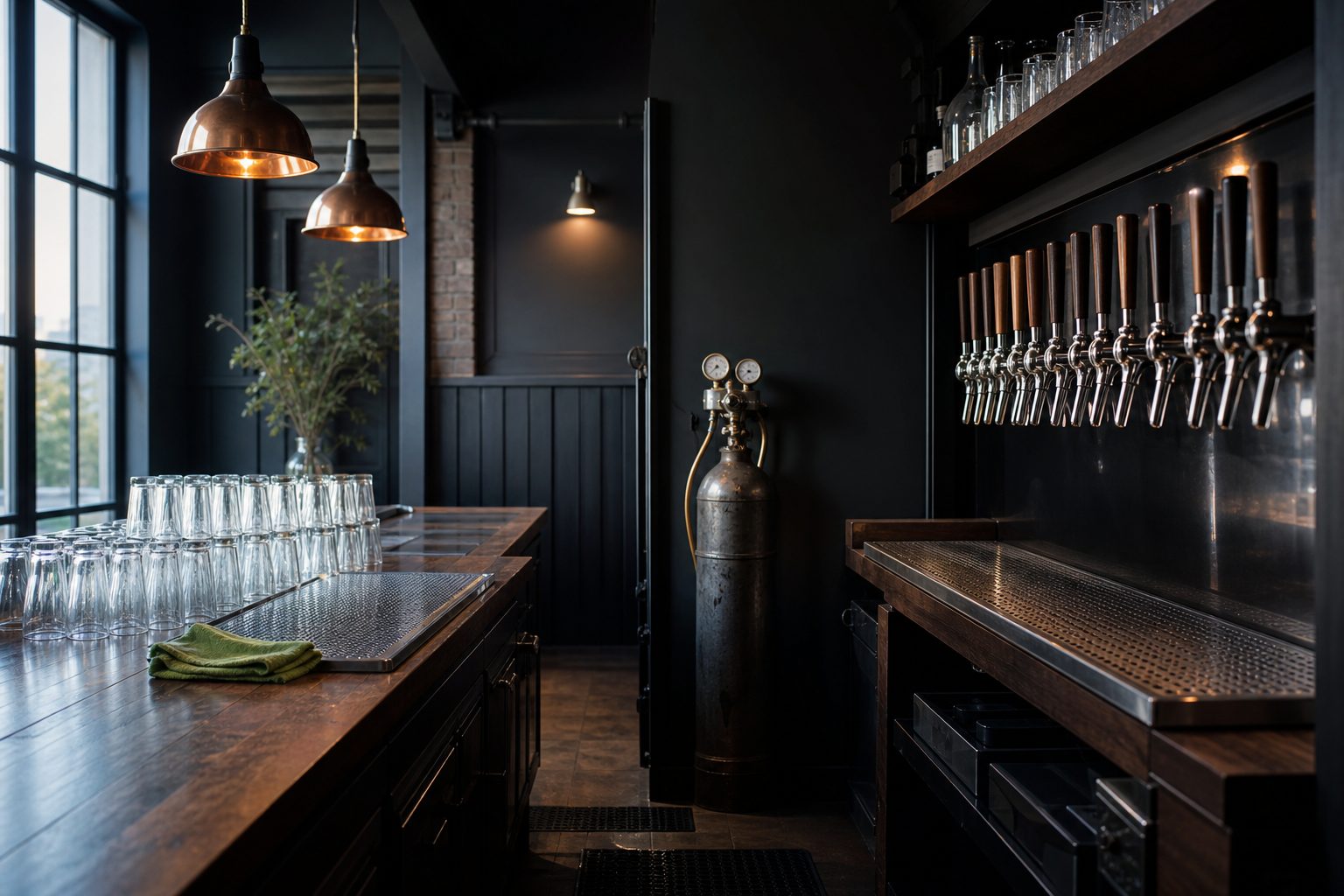
The gas room or tank cage is next. Start with a pressure check. Read the gauges on your CO2 and, if you use mixed gas, nitrogen tanks. Make sure you have enough volume for your shift and any events. A standard CO2 tank can run a busy taproom for several days, but always have a backup ready. Note the readings in your log. If a tank seems unusually low, inspect for leaks before replacing.
Walk the gas lines and connections. Feel for cold spots or listen for hissing. Even a slow leak adds up to wasted gas and unstable pours. If your system uses gas blenders or secondary regulators, check that each set point matches your serving style, typically between 10 and 14 PSI for most American craft beers. Specialty lines for nitro or high-carbonation styles may run at different pressures. Mark any changes for the next shift and log adjustments.
Finish with a soap solution test on suspect fittings, especially after a recent tank change. Bubbles mean a leak. Tighten connections or swap gaskets as needed. Proper gas management not only ensures quality pours but also protects staff safety.
First Pour and Foam Check on Every Faucet
Before the first customer walks in, run a pour test on each tap. This step is as much about quality as it is about equipment health. Open each faucet fully. Watch for wild foam, air spits, or off-smells. A clean, controlled pour signals that lines are cold, couplers are tight, pressures are correct, and the beer is fresh.
If a faucet sputters or pours cloudy, troubleshoot immediately. Foam can come from warm lines, dirty faucets, or incorrect gas. Cloudiness may point to dirty lines or a beer that has been moved from cold storage too recently. If you find a problem, clean or flush the line, reset the keg, or swap out the faucet. Log any pours dumped as waste, and update your keg inventory if you need to change a barrel.
First pour checks also give you a last look at clarity and carbonation. If you have a house lager or flagship IPA, make it your benchmark pour. Use the same glassware and compare to your standard. Consistency here is the foundation of guest trust.
Keep reading: Release Day Behind the Bar: Keg Changes, Queues and Blowouts
Glassware: Beer Clean Testing and the Three Compartment Sink
Even the best beer cannot outshine a dirty glass. Before service, inspect and test your glassware. The gold standard is "beer clean" glass, meaning free from oils, sanitizer residue, and spots. Dunk a glass in water, shake off the excess, and sprinkle with salt. If the salt sticks evenly on all sides, the glass is clean. If it beads up or slides off, run it again through your three compartment sink.
Sink Setup and Sanitizer Checks
Each compartment in your sink has a job: wash, rinse, sanitize. Check that detergents and sanitizer are at correct concentrations. Many managers use test strips to verify sanitizer strength, especially during busy shifts. Change out water when it gets cloudy or at set intervals. Dry glasses on open racks, never with a towel, to prevent lint and bacteria transfer.
Double check glassware at the bar for spots, chips, or lipstick. Pull any glass that fails inspection. A single dirty glass on the bar undercuts the effort everywhere else. Train staff to repeat salt tests periodically through the shift, especially after a rush or when bringing out new racks.
Tap List Accuracy Across Screens, Website and Printed Menus
Once the beer and glassware are ready, check your tap list. In most taprooms, this means updating at least three places: taproom screens, website menus, and any printed or QR code lists used at tables. Consistency prevents confusion and disappointed guests.
Start with the digital display. Walk the bar and check each screen for accuracy. Verify that all beers listed are actually on tap, and that descriptions, ABV, and pricing are correct. Update any changes in your live tap list management system. If you use rotating guest beers or experimentals, double check spellings and allergen notes.
Next, review your website or menu embeds. If you manage these through a central tool, changes should push automatically. Still, spot check for sync errors. Guests often check the website before visiting, so mismatches lead to frustration. For printed menus, use the latest export or printout. Discard outdated copies to avoid mix-ups.
Finally, inspect QR code menus. Scan a sample code at each table to ensure it loads the correct tap list. This step catches network hiccups or server errors before they affect guest experience. If any taps are offline or "on deck," mark them clearly. A unified, accurate tap list keeps staff and guests on the same page all shift.
See how TapListLive handles this for craft brewing
Mid Shift: Watching Keg Levels and Resetting FOBs
The work does not end with opening. During service, someone must watch keg levels. Many taprooms do this by monitoring pour counts in the POS or simply by tracking weight or sight glass levels. When a keg runs low, a telltale burst of foam or sputter signals the need for action.
Keg Swaps and FOB Resets
When changing a keg, always reset the foam-on-beer (FOB) detector if your system has one. This device keeps beer in the lines and cuts down on waste. To reset, close the FOB, vent the gas, swap the keg, and slowly reopen the valve. Watch for a clean, bubble-free flow before resuming pours. If you skip this step, your bartenders will see foam until the line clears, wasting both beer and time.
Log each keg change as soon as it happens. This keeps your inventory up to date and your tap list accurate. If you notice a line running low faster than normal, check for leaks or unusually high sales. A quick response keeps service smooth and minimizes downtime.
Close: Faucet Teardown, Drip Trays, Drains and Temperature Log
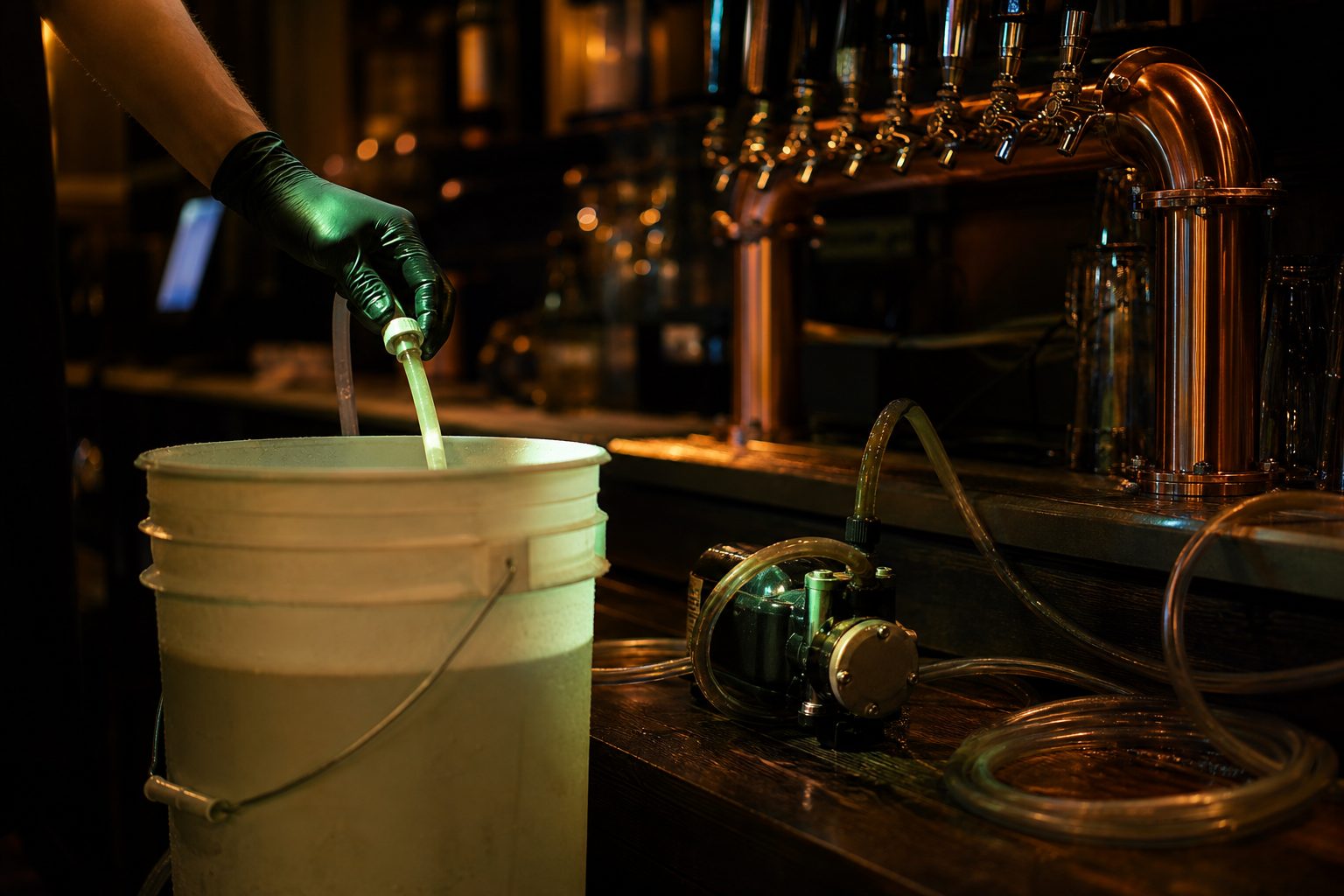
At close, the checklist matters just as much as at open. Start by shutting down each faucet. Remove and soak faucet spouts in sanitizer, especially if you use specialty taps or nitro lines. Scrub with a dedicated brush. This daily cleaning prevents dried beer and biofilm buildup, which can ruin the next day's first pour.
Next, empty and clean drip trays. Rinse with hot water and a mild detergent. Scrub away any residue or sticky spots, and let trays air dry. Check that drains are flowing freely. Clogs can back up quickly, leading to sanitation problems and foul smells by morning.
Log the cooler and glycol temperatures one last time. Compare to your opening readings to catch any overnight drift. In some shops, this step is part of the nightly closeout form. For operators using a digital system, logging temperatures may be as simple as tapping in a number on a tablet. Proper records support both quality control and health inspections.
Finally, secure gas valves and note tank pressures for the next shift. Lock all access doors and return keys to the designated spot. A clean, safe shutdown sets up tomorrow's team for a smooth open.
Weekly and Monthly Items That Do Not Belong on a Daily List
Certain maintenance tasks are critical, but do not belong on the daily checklist. These include deep line cleaning, full keg rotation, and detailed inventory counts. Most breweries run a full chemical line clean every week, using a caustic solution flushed through each faucet and line. This process takes time and requires extra care to rinse thoroughly. Monthly, some shops also run an acid rinse to remove beer stone buildup.
Inspect and calibrate all gas regulators and blenders at least once a month. Look for signs of wear, rust, or leaks. Switch out any hoses or gaskets that show age. This is also the time to check that your gas supplier is meeting delivery schedules.
Deep clean the walk-in cooler, including floors, walls, and ceiling. Remove all empty kegs, sweep out debris, and sanitize shelves. Inventory all full and partial kegs, noting any that are near expiration or need to be rotated forward. Review your tap list for slow movers and plan for upcoming seasonal changes.
Review and update staff training on cleaning protocols, safety procedures, and responsible alcohol service. Keep records of completed trainings and any incidents. Schedule regular meetings to go over checklist performance and gather feedback from the team. Consistency in these tasks supports both compliance and quality.
Many taprooms now use live tap list management tools to simplify the checklist process. These systems sync inventory, push updates to screens and menus, and help track opening and closing duties in real time. For busy operators, the right tool can mean fewer errors, less stress, and a better guest experience every shift.