Release Day Behind the Bar: Keg Changes, Queues and Blowouts
A limited release Saturday from cellar prep to close: staging kegs, swapping one behind a full bar in three minutes, handling two blowouts at once, and keeping every menu telling the same story.
Ten AM: Cellar Prep and Staging Kegs for the Day
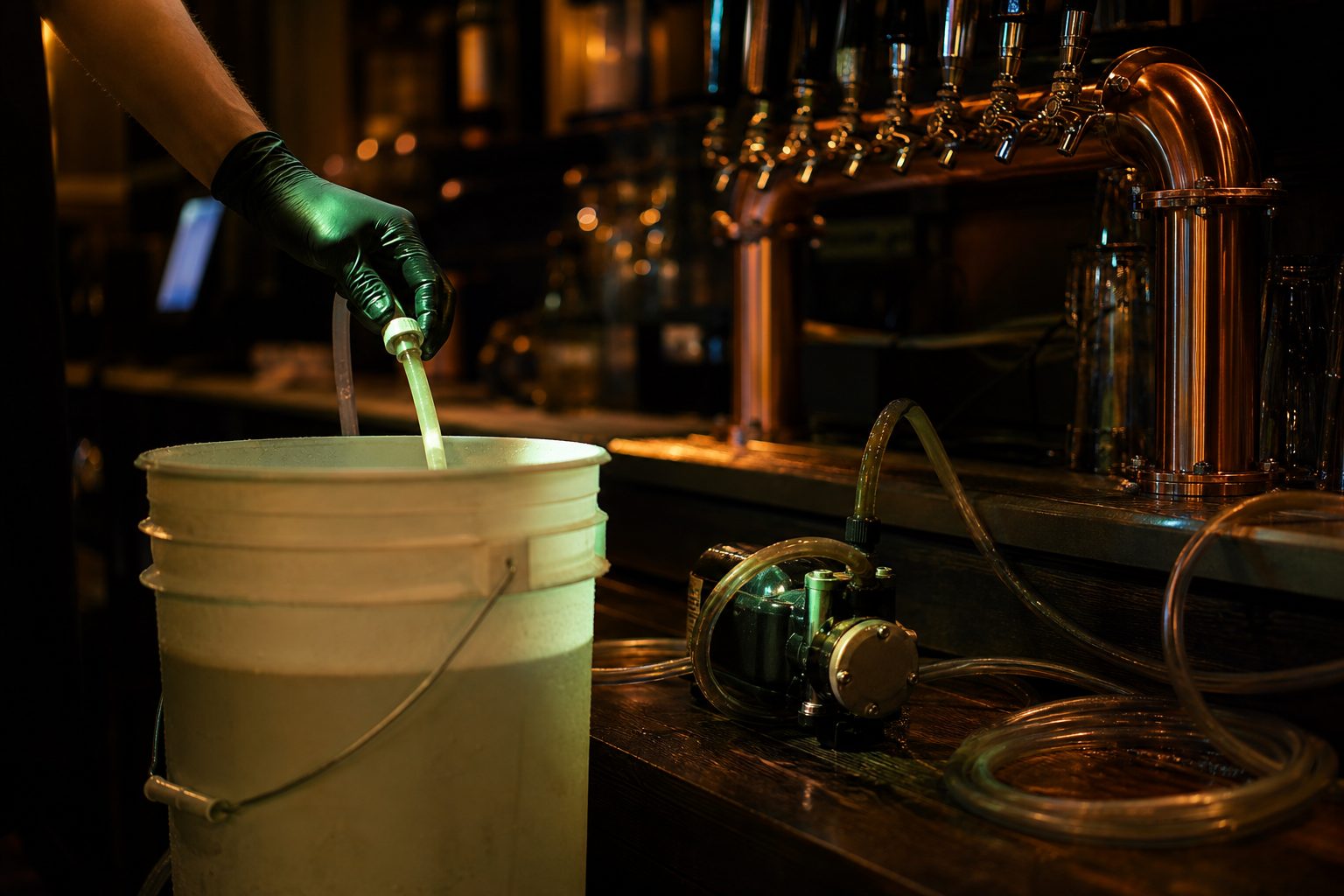
The cellar is quiet at ten, but the stack of kegs by the cold side tells a different story. A limited release Saturday means extra volume on core taps and a rush for the new beer. Prep starts with the taproom manager reading yesterday's pours and checking the reservation list. The first task: pull the day's likely replacements close to the door, organized by style, and double-check each coupler gasket for wear. If a keg sits on deck for even an hour, a slow leak can mean foam and mess right when the taproom is full.
The limited release kegs get special staging. Most shops stack them on a dolly or barrel rack, ready to roll. In some breweries, each keg is tagged with the beer name, date, and a color-coded flag. This avoids confusion when a runner needs to swap one in the middle of a packed shift. The goal is to cut the trip from cold storage to faucet down to one quick haul. Some operators pre-chill the next keg to avoid temperature shock and foam. That means careful tracking in the cellar log, if a backup is cold, it cannot sit out on the floor too long without risking spoilage or waste.
The team reviews the day's tap list, noting which taps are most likely to blow. Popular flagship beers often go fastest on release days, so managers make sure there are backups staged for those lines. The limited release gets priority, but the crowd will drink through anything with a fresh handle, so the prep covers every line scheduled to rotate.
Keep reading: How to Run a Two Week Draft Line Cleaning Cycle in a Taproom
Doors Open: The First Hour of a Limited Release Line
By opening, a line of regulars and new faces already fills the entryway. Limited releases draw early arrivals. The staff runs a quick pre-shift meeting, covering pour size, wristband policy, and glassware for the special. The tap list, printed and digital, is checked one last time for accuracy.
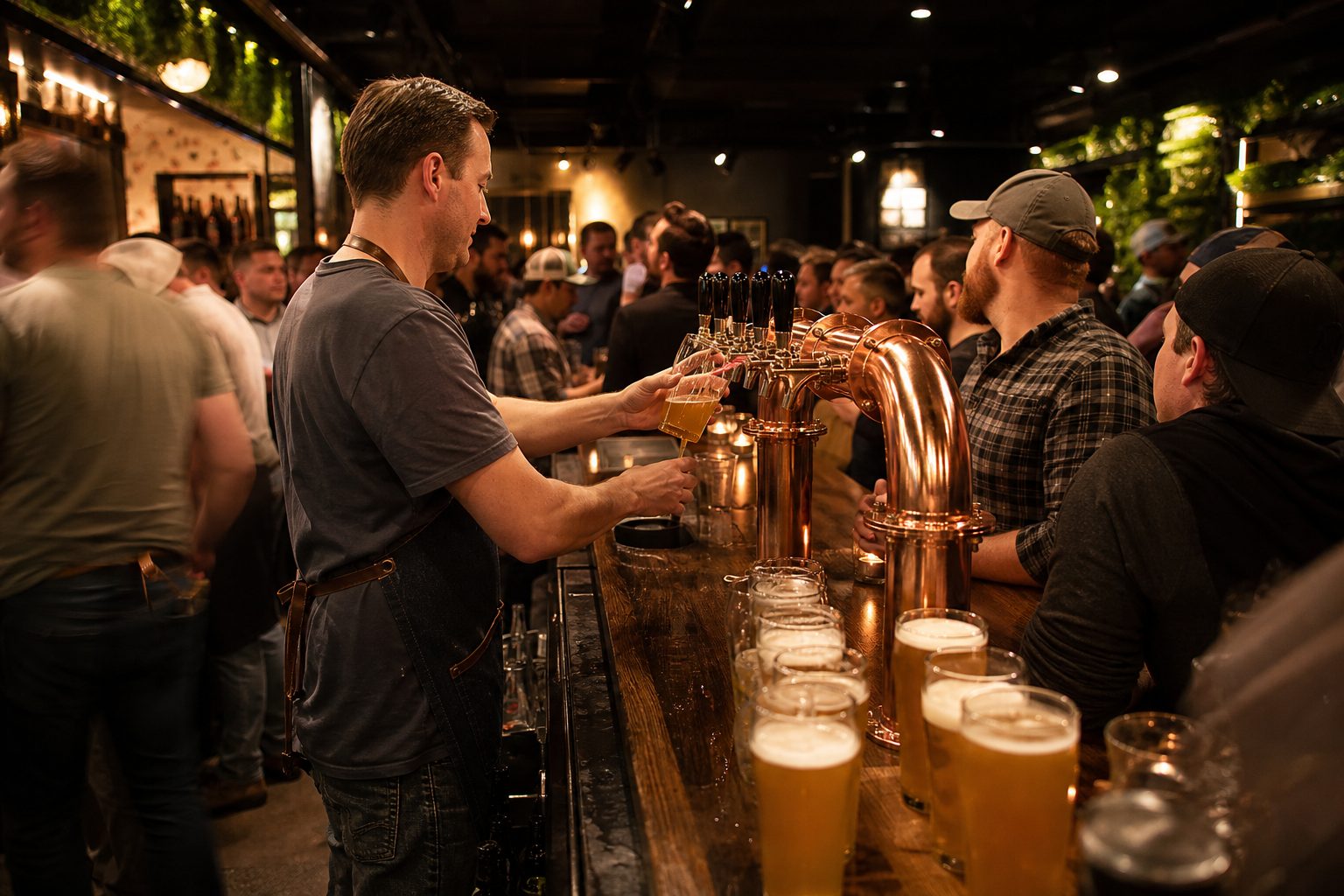
The first hour is always a balancing act. Pours come fast, and the limited beer can run at double the speed of a standard weekend. The bar team keeps eyes on glassware, making sure the right pour goes to each guest. Tasting flights spike in popularity, with guests wanting a sample before committing to a full pour of the new beer.
Most managers keep a runner on standby, ready to swap kegs when the flagship or limited line slows. Communication is key: the bar lead calls out when a keg runs low, and the cellar hand wheels the replacement to the tower. Some shops use radios or group texts to signal when a keg is about to blow, cutting down on downtime between swaps.
Changing a Keg in Under Three Minutes Behind a Full Bar
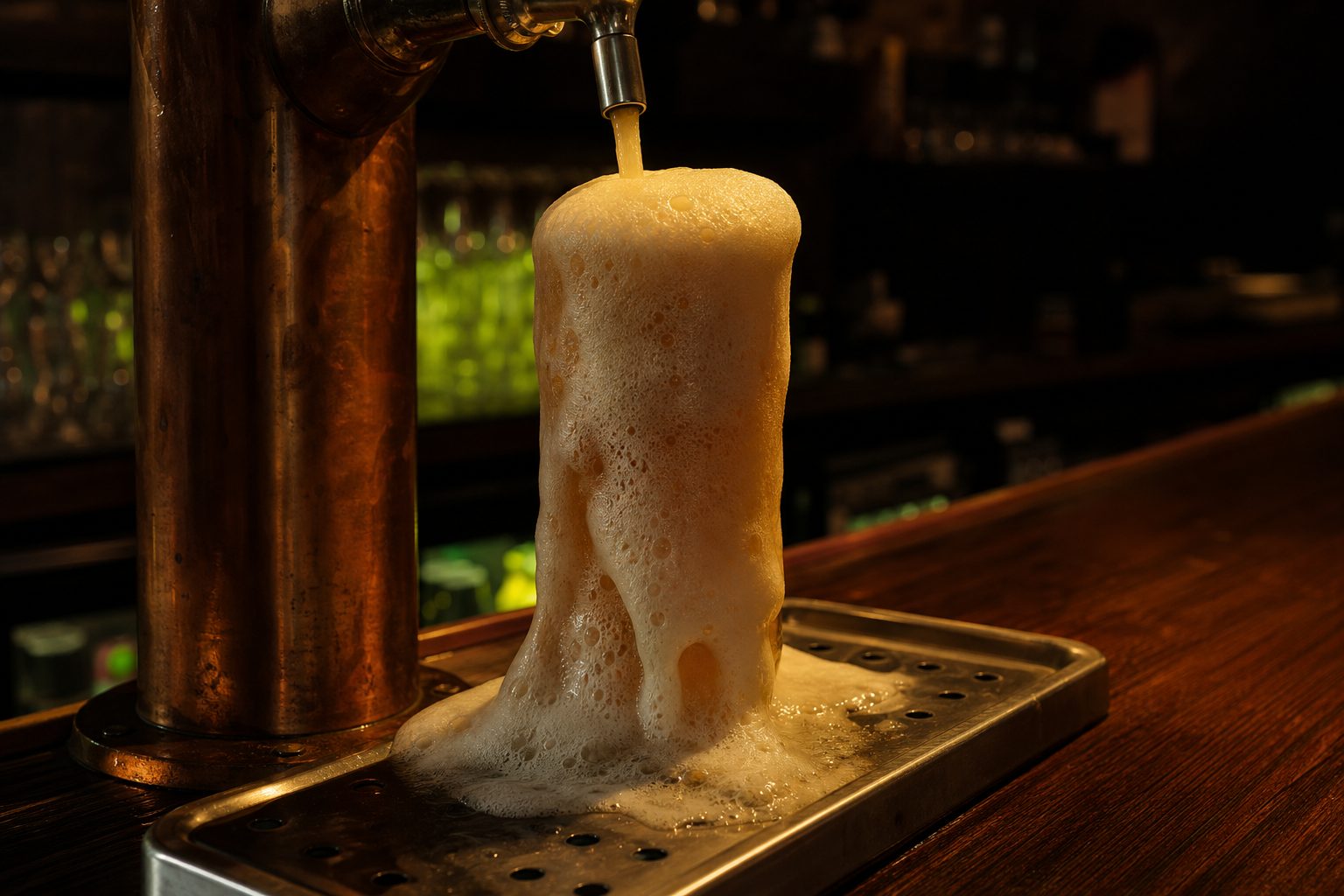
When the bar is three deep and the limited tap starts to spit foam, timing matters. The goal is to swap the empty for a fresh keg without losing orders or crowding the service area. Most experienced bartenders have a routine. First, flag a teammate to cover pours for other lines. Next, grab a sanitized coupler and towel, then duck behind the tower and shut the gas. The empty keg is uncoupled and rolled aside in seconds.
H3: Quick Swap Techniques
The pre-staged keg cuts out hunting time. If the replacement is cold and ready, it rolls into place, lines are checked for kinks, and the coupler locks in with a firm twist. Gas is turned back on, a quick bleed of foam, and the first pour is cautioned into a pitcher until it runs clear. A practiced bartender can finish the swap in under three minutes, even when the floor is packed.
Some taprooms assign a dedicated keg swapper during events. This keeps the bar moving and lets the bartenders focus on guests. In smaller operations, one person does both, but the prep done earlier in the day pays off now. Every second saved means one less thirsty person waiting at the bar.
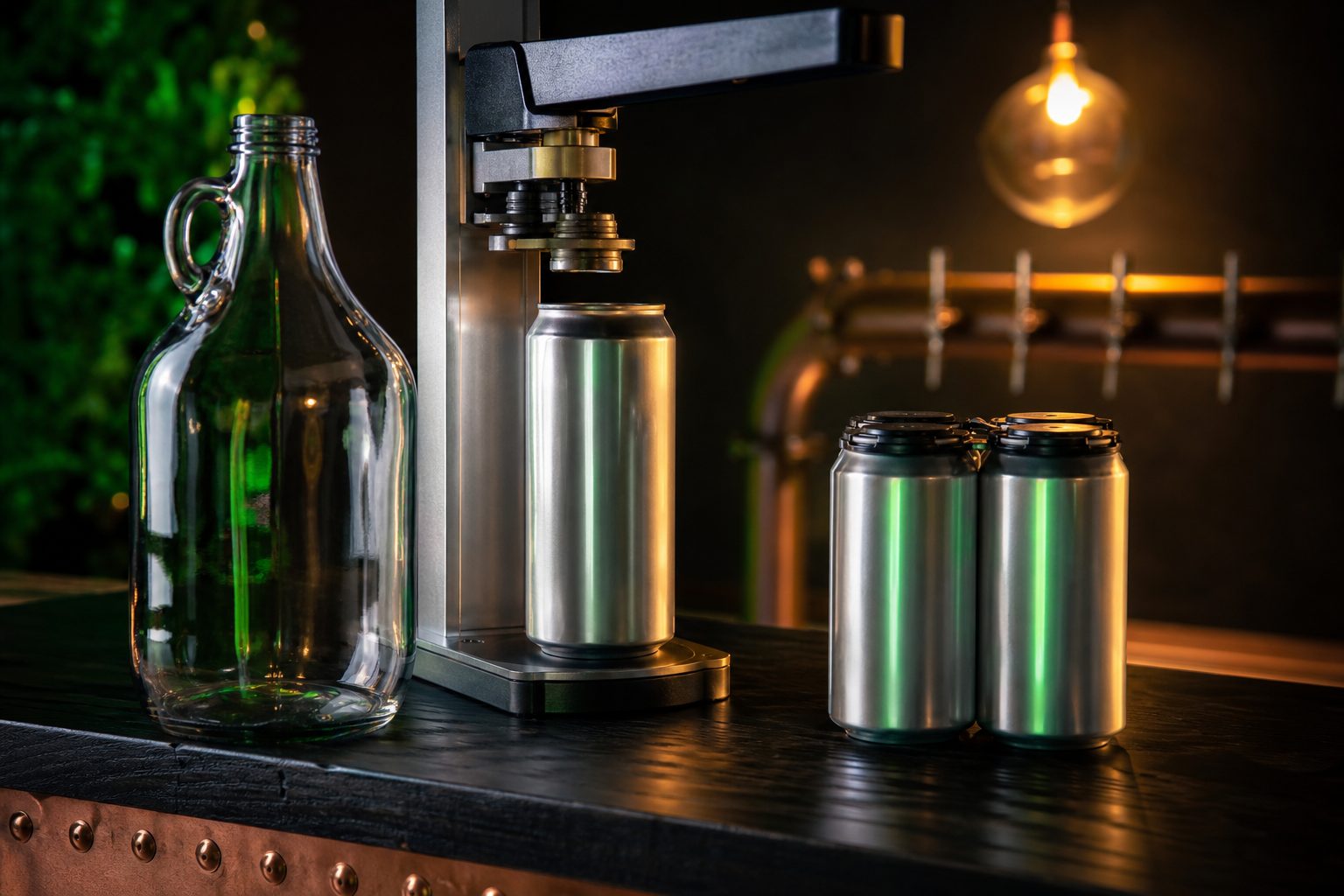
Keep reading: Growlers, Crowlers and 4 Packs: Margin, Shelf Life and State Rules
When Two Taps Blow at Once
Double blowouts are a stress test for any taproom. It happens most often when the limited release and a core beer both run dry in the middle of a rush. The bar team hears double hissing, and suddenly two lines are dead. The fix depends on prep and teamwork.
If kegs are staged close and every coupler is checked, two bartenders can swap at once. One covers the left bank, the other the right. If only one cellar runner is available, the priority goes to the limited release line, since guests came for that beer first. The team quickly communicates which keg is closest to empty, so the backup can be on deck before a full blowout.
Guests notice when lines go down, and frustration builds fast. Clear updates help. Many bars post a quick "Tapping Fresh Keg" note on the screens or at the bar, and the team keeps the line moving with samples of another beer. A calm, fast response keeps orders flowing and maintains the crowd's goodwill.
Keeping Screens, QR Menu and the Website in Agreement
Every release day brings a flood of menu updates. As soon as a limited keg is tapped, every display needs to match: taproom screens, the website, and QR menus at the table. It only takes one mismatch for a guest to order a beer that just ran out, leading to delays and disappointment.
H3: Manual Updates and Communication
Many taprooms still use a dry erase board for the main menu, but that board does not update the website or QR code automatically. Staff usually keep a checklist behind the bar: when a line changes, someone updates the board, then logs in to the website or scans the QR platform to edit the list there. Each step opens a window for errors, especially when the bar is hectic.
Some shops assign a "menu master" for release days. That person's only job is to keep every tap list in sync. They check each platform after a keg swap, flag any discrepancies, and confirm with the bar team before making changes. Fast, accurate updates keep guests informed and reduce confusion at the register.
H3: The Role of Automation
Automated tap list tools now make it easier to keep all menus consistent. When a keg is swapped and logged in one place, the update pushes to screens, QR menus, and the website at the same time. This reduces manual steps and helps staff focus on service during a rush.
See how TapListLive handles this for craft brewing
Comps, Cash and the Cost of a Beer That Sells Out Early
When a limited release sells out before the dinner crowd arrives, the taproom has to handle the fallout. Some guests traveled for that beer. The bar team needs a plan for comps and quick alternatives, plus an eye on the register to track lost sales and refunds.
Most shops comp a pour or offer a flight when a guest misses out by minutes. This softens frustration and turns a missed pour into a goodwill gesture. The cost is real, though: for every comped beer, the shop loses both the sale and the product cost. The manager has to balance keeping guests happy with protecting the bottom line.
H3: Handling Refunds and Voids
When a pour is rung in for a beer that just blew, the register has to process a void or refund. This ties up the bartender and the guest while the manager approves the transaction. Some POS systems require a manager override, adding another step in the middle of a rush. Speed matters: the faster the menu is updated, the fewer refunds are needed.
A quick, accurate tap list helps prevent most of these headaches. When every menu updates the moment a keg blows, guests know what is on and what is gone. This cuts down on comps and protects revenue on busy release days.
After Close: What the Cellar Log Says the Night Really Sold
Once the lights are low and the last guests are gone, the real picture of the day comes into focus. The bar team reviews the cellar log, counting empty kegs and matching pours to register totals. Discrepancies are common: a fast swap might not get logged, or a comped pour is not recorded. The night's numbers tell the story of how the operation held up under pressure.
H3: Auditing the Day
The manager checks each keg's start and end weight or volume, then matches the data to POS reports. Any mismatch triggers a review. Did a keg get swapped but not logged? Was a menu slow to update, leading to missed pours? The post-mortem is not just about counting pints. It is about finding where the day's system broke down and how to fix it for the next release.
Some shops use digital cellar logs that connect to tap list systems. When a keg is marked as blown, every menu updates, and the pour count records in real time. This helps catch errors, track losses, and make next week's prep more accurate.
In the end, live tap list management software that connects screens, QR menus, and cellar logs can make release day smoother. It keeps every menu in sync, saves time on updates, and helps the team focus on guests instead of paperwork.