Growlers, Crowlers and 4 Packs: Margin, Shelf Life and State Rules
Three ways to sell beer to go, with different fill costs, different shelf lives and different state rules. Compare margin per ounce, oxygen pickup, equipment and labor before you settle on a mix.
What Each Format Costs You Per Ounce Filled
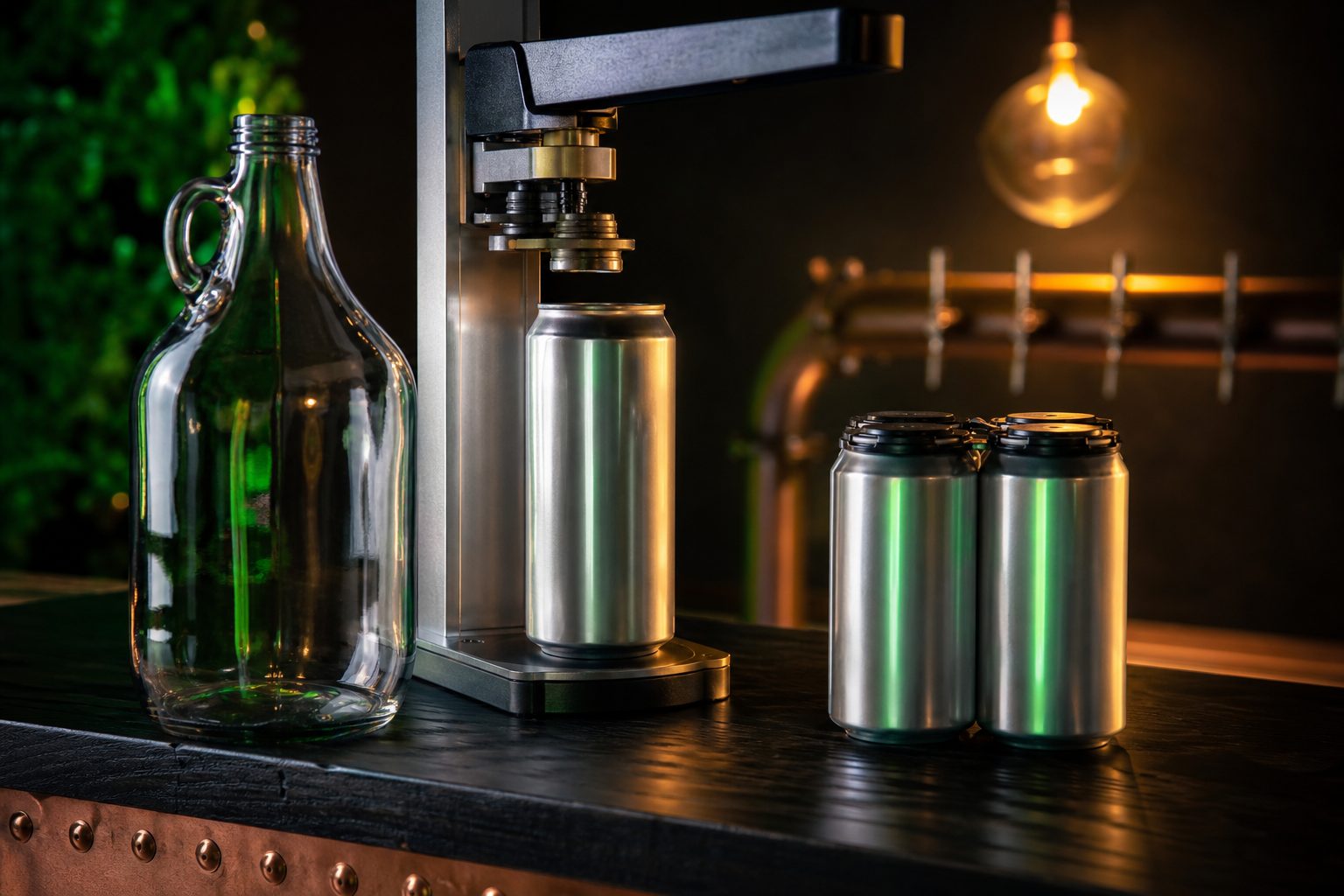
The price to fill a growler, crowler, or 4 pack starts with packaging. A glass growler costs more up front, but customers often reuse them. Crowler cans are single use and must be stocked in quantity. Four packs require printed cans or labels, carriers, and a canning line or manual seamer.
Per fill, growlers use the least packaging if you offer refills. The cost depends on whether you provide the glass or customers bring their own. For crowlers, each 32-ounce can typically costs less than a new growler, but more than a refill. For 4 packs, the cost includes four 16-ounce cans, a carrier, and label or sleeve, making them the highest per-ounce cost unless you buy in very large quantities.
For taproom operators, the most direct cost is what you pay for the vessel and its closure per fill. You also face indirect costs: spoilage when fills go unsold, and labor to fill and label containers. Each format puts a different spin on your bottom line, especially as craft beer margins depend on reducing waste and controlling packaging spend.
Growler Fill Economics
If you sell new glass growlers, you recover the vessel cost on the first sale. Refills mean you only pay for the cap, which is a few cents. Most growler fills go out the door for 64 ounces or 32 ounces, so your per-ounce packaging cost is lowest on refills.
Crowler Fill Economics
Crowler cans are usually bought by the case, with prices varying based on order size and branding. Each can and lid adds up, especially if you use branded stickers. You pay the full vessel cost every fill, but you control the branding and can fill to order. Crowlers often command a higher price per ounce at the register because they are convenient for one-time use and travel.
4 Pack Costs
Four packs filled on site require a small canning setup or manual seamer. You must buy cans, lids, carriers, and labels. The capital cost for equipment is higher than a crowler seamer. Buying packaging in bulk helps, but the per-ounce cost will still be higher than growler refills or crowler cans, especially for small runs.
Keep reading: Six Draft System Mistakes That Turn Good Beer Into Foam
Oxygen Pickup and Realistic Shelf Life for Each Package
Beer shelf life depends heavily on how much oxygen gets into the package. Oxidation dulls hop flavors and shortens freshness. The three main to-go options vary widely in protection against air, which matters for your customers' experience and your brand's reputation.
Growler Shelf Life
Growlers are almost always filled from a tap or a growler filler. Unless you use a counter pressure system, these fills pick up more oxygen. Even with careful fills, you will see some foam and headspace. Most breweries recommend customers drink growler beer within 24 to 48 hours of filling, and always keep it cold. Some styles hold up longer, but hazy and hoppy beers fade fast. Growlers are best for immediate consumption, not for cellaring or gifting.
Crowler Shelf Life
Crowlers, if filled without counter pressure, also admit oxygen, but a good fill and quick seam can keep exposure low. Once sealed, a crowler can last longer than a growler because the aluminum blocks light and the seal is tight. Many operators suggest crowlers stay fresh for up to a week if kept cold, though hop-forward beers still lose punch after a few days. If you run a busy taproom with a well-trained staff, crowler fills can deliver better shelf life than growlers, but not as long as a properly filled can.
4 Pack Shelf Life
Four packs are either filled from brite tank or off the tap. If you use a counter pressure canning machine, oxygen pickup can be very low. This lets you promise customers a shelf life of several weeks or more, especially for less sensitive beer styles. For small taprooms that use a manual fill and seamer, shelf life falls somewhere between crowlers and full-scale production cans. Still, the sealed can and light protection beat glass growlers.
Counter Pressure Fillers Versus Crowler Seamers
How you fill matters as much as the package. The main decision is whether to invest in a counter pressure system or stick with atmospheric fills and seamers.
Atmospheric Fills
Most taprooms use a simple tap or growler filler to fill glass growlers and crowler cans. This open-air method is quick, but the beer is exposed to oxygen as it pours and foams. Some operators purge growlers and crowler cans with CO2 first, which helps, but does not rival a closed system. Manual crowler seamers are affordable and take up little space, making them a popular choice for small taprooms who want to offer cans to go without a big equipment spend.
Counter Pressure Systems
Counter pressure fillers work by matching the pressure in the vessel to the keg, reducing oxygen pickup and foaming. This method is standard for four pack canning and some high-end growler fillers. It requires more training and setup, but the result is lower dissolved oxygen and longer shelf life. Counter pressure systems cost much more than a basic seamer or tap, so the decision depends on your sales volume and product mix.
For most taprooms, a counter pressure system is only justified if you move a lot of packaged beer or need to compete with packaged beer from larger breweries. For others, manual seamers and careful filling get the job done at a lower upfront cost.
Keep reading: Beer Excise Tax and the TTB Reports a Taproom Brewery Files
Growler Refill Rules, Sanitation and Container Ownership
State laws set the ground rules for growler refills. In some states, only containers with your branding can be refilled at your brewery. Others allow any clean vessel, as long as you follow sanitation protocols. If you run a taproom in a state with strict labeling or branding rules, you may need to limit refills to your own glassware.
Sanitation is a concern with customer-owned vessels. Many taprooms require a quick rinse, sanitize, or visual inspection before refilling. You are responsible for making sure the container is clean enough to avoid off flavors or complaints. Some operators keep a small stock of new growlers on hand for customers whose vessels do not pass the sniff test.
Container ownership also affects your cost. If you sell the growler, the customer is responsible for cleaning and returning it for a refill. If you loan out branded vessels, you take on the risk of loss and wear. Crowlers and four packs are always single use and do not involve returns or customer cleaning, which reduces your headache but adds to your packaging bill.
Labeling and Sealed Container Requirements for To Go Sales
Most states require that beer sold to go is sealed and labeled. The specifics vary, but you generally need to include brewery name, beer name or style, volume, alcohol by volume, and sometimes government warnings. For breweries that distribute, you may already have compliant labels for cans and four packs. For taproom-only beer, you might use stickers, hand-written labels, or generic tags.
Growlers are often closed with a tamper-evident shrink band or tape to prove the container was filled at your brewery. For crowlers, the seamed lid provides a seal. Four packs with properly seamed cans and labeled carriers usually meet the requirement, but check your state's rules for off-premise sales. Some states require special language or additional warnings for to-go packaging.
If you sell crowlers or four packs, plan a system for printing or writing labels as part of the fill process. This step adds labor and can slow down busy shifts if not streamlined. Many taprooms use a pre-printed sticker or a simple stamp to keep things moving.
See how TapListLive handles this for craft brewing
Labor Minutes Per Fill on a Busy Shift
Filling growlers, crowlers, and four packs all take staff time, especially when the taproom is hopping. The labor cost comes from how long it takes to clean, fill, seal, and label each package.
Growler Labor
Filling a new growler means a quick rinse, maybe a sanitizer dunk, then a careful fill from the tap. If you need to apply a shrink band or tape, add another step. Refills from regulars with clean vessels are usually the fastest option, but a dirty or chipped growler can slow the line as you explain your policy or offer a replacement. With practice, most bartenders can fill and label a growler in a few minutes, but the time adds up when the queue is deep.
Crowler Labor
Crowler cans need to be purged with CO2, filled, then sealed on a manual seamer. Most bartenders can fill and seam a crowler in three to five minutes, depending on experience and setup. Labeling adds another minute. If you run a single seamer at the bar, it becomes a bottleneck during rushes, so some shops staff a dedicated crowler station or prep a few ahead.
4 Pack Labor
Hand-filling and seaming four packs is the most labor intensive, unless you have a small canning line. Each can must be filled, seamed, labeled, and packed in a carrier. For small taprooms, this often means filling four cans per order while the customer waits. Automated systems can do this much faster but require a bigger investment and storage space. If you only move a few four packs per shift, the manual approach works, but high demand can quickly overwhelm your staff.
Choosing a Format Mix for Your Taproom Volume
No single package is right for every taproom. The best mix depends on your sales volume, customer habits, and state law. If most of your to-go business comes from regulars, growler refills offer the lowest cost and fastest workflow. For taprooms near tourism or event venues, crowlers are popular with out-of-towners who want a sealed, portable container. If you have the staff and equipment, four packs let you compete with brewery store shelves and deliver the best shelf life.
Some operators offer all three. Growlers for locals, crowlers for one-off visitors, and four packs for customers who want to stock up for home. The challenge is managing inventory, staff time, and compliance. That is where live tap list tools can help: by tracking what is on tap, out of stock, and ready for each package in real time, you can focus your energy on filling the orders that matter most.