Non Alcoholic Beer, Cider and Guest Taps: Where Tap Walls Are Headed
Non alcoholic beer demands stricter line hygiene, cider and seltzer compete for handles, and guest taps live or die by your state license. What all of it means for planning a tap lineup.
Why Tap Walls Are Getting Shorter and Rotating Faster
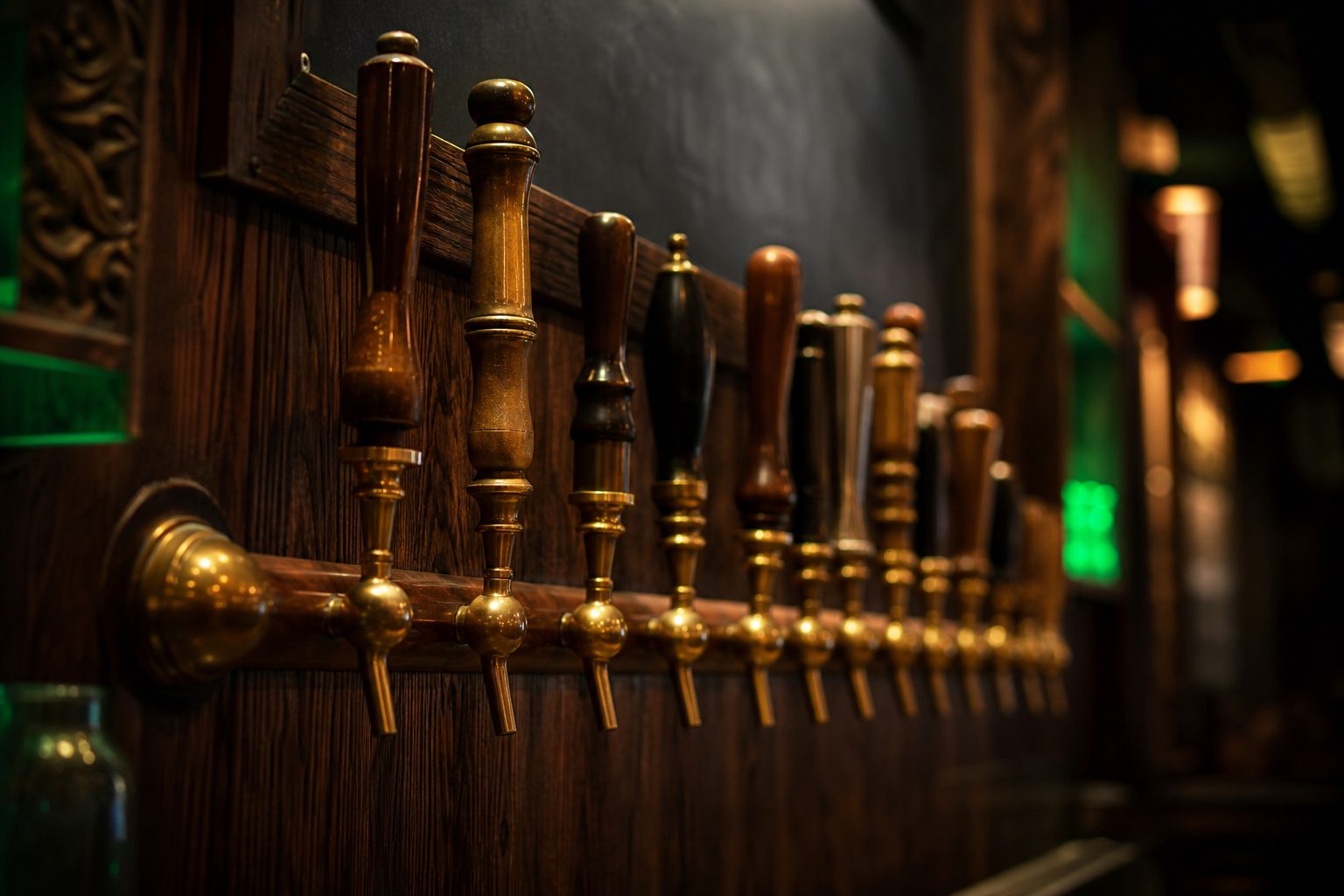
Five years ago, taprooms prided themselves on long lines of gleaming faucets. Eighteen, twenty-four, or even more were not uncommon in midsize breweries. Today, the average number of taps is shrinking. The reasons are practical: keg turnover, rising ingredient costs, and a customer base that chases variety over volume.
Shorter tap walls mean fewer slow-moving beers. Operators report that a trimmed taplist reduces waste and keeps draft beer fresher. Instead of committing to a stable of flagships, taprooms are embracing constant change: rotating seasonals, small-batch experiments, and guest offerings from nearby breweries. This approach keeps regulars coming back to see what's new, and it appeals to the "tickers" who want to try every option.
The faster pace is not just about customer preference. Smaller batch sizes make it possible to swap out a keg in a week instead of a month. For brewers, this means more freedom to experiment but also more work tracking what's on, what's coming, and what needs to be pulled soon.
Keep reading: The Taproom Open and Close Checklist for Draft, Glass and Gas
Non Alcoholic Beer: Line Hygiene, Cold Chain and Dedicated Faucets
Non alcoholic beer is moving out of the bottle fridge and onto the tap wall. This is a shift that brings new responsibilities. Most non alcoholic beers are heat pasteurized but still require tighter cold chain management than standard beer. Shelf life is shorter, and the product can spoil if left warm.
Line Hygiene and Cross Contamination
Cleaning protocols for non alcoholic lines must be stricter than for standard beer. Sugars and stabilizers used in some NA beers can create a breeding ground for bacteria if not flushed regularly. Many breweries now dedicate a faucet and line to non alcoholic beer to avoid introducing flavor carryover or contaminants from regular beers. The best practice is to clean these lines at least once a week, sometimes more if the product sits for several days.
Serving Temperature and Equipment
Non alcoholic beer often benefits from colder service temperatures. Some operators invest in a dedicated cold box or a separate glycol line to ensure draft NA pours as fresh as possible. Dedicated faucets and couplers also reduce the risk of introducing off flavors or allergens, especially for products brewed with grains or adjuncts not used in the main lineup.
Cider, Seltzer and Hemp Derived Drinks Competing for Positions
The modern tap wall is no longer just about beer. Cider, seltzer, kombucha, and hemp-derived beverages are all claiming space. This shift is driven both by customer demand and the desire to serve a wider range of dietary needs or alcohol preferences.
Cider remains the top alternative tap in most regions, with gluten-free appeal and a long tradition. Hard seltzer is still requested, especially by younger patrons and those watching calorie counts. Breweries that make their own seltzer often give it a permanent line, while others rotate through guest options or local producers. Hemp-derived drinks, mostly seltzers infused with derivatives like CBD, are a newer entry and bring legal and labeling challenges, but the demand is growing fast in states where they are allowed on draft.
Operators must decide whether to rotate these options or commit to a single alternative. Each choice affects ordering, keg management, and cleaning protocols. For example, cider can acidify lines over time, and hemp-derived beverages may require special tap handles or warning signage.
Keep reading: Keg Yield Math: Pours, Loss and Pour Cost by Glass Size
Guest Taps and the License Rules That Govern Them
Guest taps offer a way to expand selection without brewing every style in house. For many taprooms, they are a solution to customer requests for cider, mead, wine, or even specialty beers not made on site. The ability to pour guest products depends entirely on the brewery's license and state regulations.
Types of Licenses
Most brewery taprooms operate under a manufacturer license, but these come with limits. In some states, you may only pour what you produce. Other states allow a small number of guest handles for cider or wine, but not beer from other breweries. Brewpub licenses are often more permissive, letting operators stock a broader range of guest products, sometimes with a quota or percentage limit. The details change from state to state, and even within the same state, local authorities may interpret the rules differently.
How Enforcement Works
When regulators visit, they check invoices, tap handles, and sometimes even the contents of kegs. Serving a guest product without the correct paperwork can result in fines or temporary closure. Some states also require detailed records showing which beers are produced in house and which are purchased as finished product. As a result, many operators keep a physical binder or a digital record of every guest product tapped, including batch numbers and purchase dates.
Before adding a guest tap, it pays to check with the state alcohol board or a legal adviser familiar with brewery operations. Getting it wrong can be expensive, and the rules change frequently as state legislatures update codes to reflect new beverage categories.
What Faster Rotation Does to Cellar Labor and Keg Inventory
Frequent tap changes have a direct impact on cellar crew workload. Pulling a keg, cleaning lines, and tapping a new product is time-consuming, especially if it involves flavor or ingredient changes. For example, swapping from a hazy IPA to a cider requires extra cleaning to remove hop residue and prevent acid buildup in the lines. Non alcoholic, gluten-free, or allergen-friendly lines must be handled with even more care, sometimes using color-coded hoses or specialized cleaning agents.
Keg Turnover and Storage
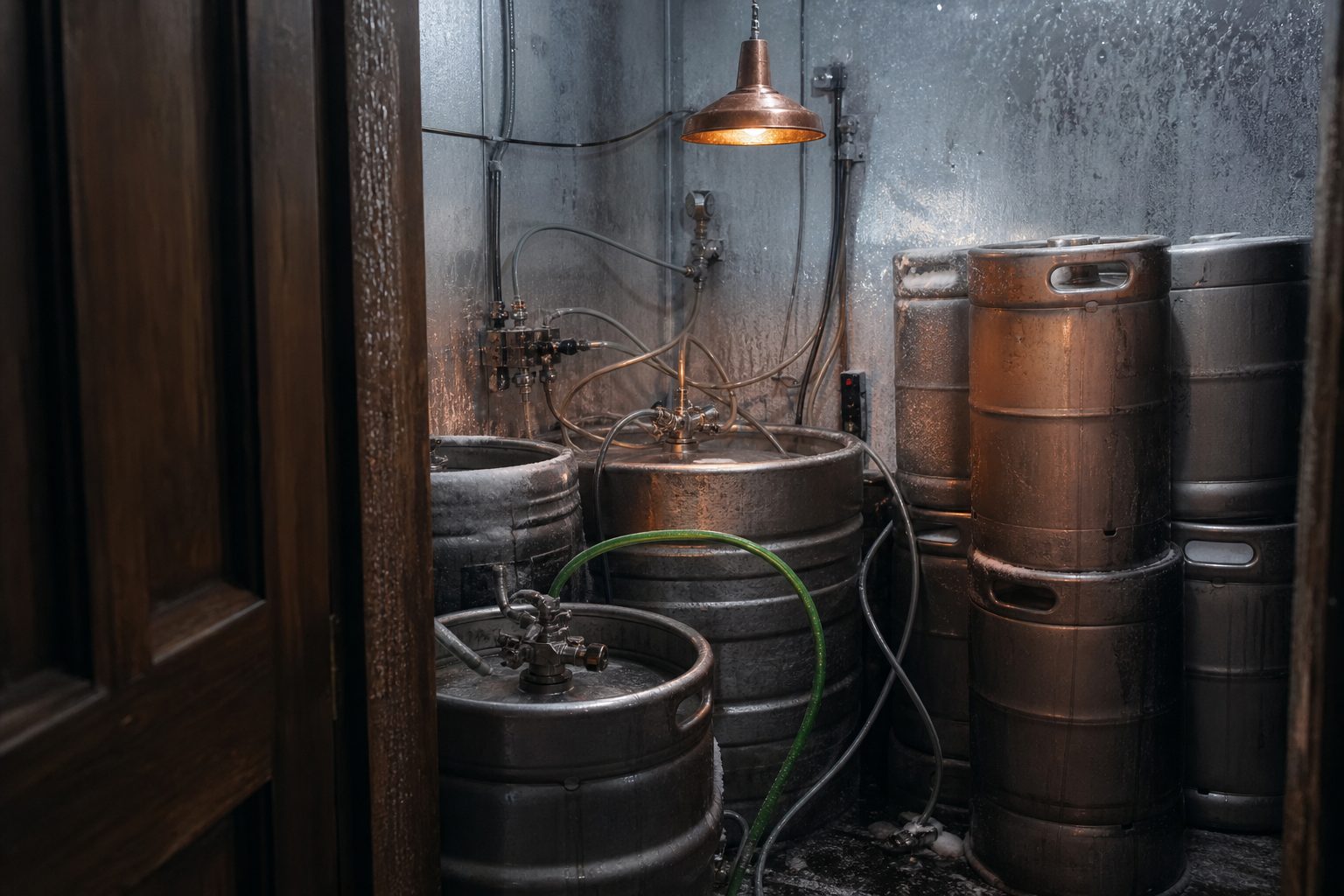
Faster rotation also means more kegs moving through the cooler each week. Inventory management becomes a daily chore. Operators need to track partial kegs, empty shells, and full kegs waiting to go on tap. Missed pickups or misplaced empties can clog up precious cold room space. Some breweries use digital inventory tools that alert staff when a keg is nearly empty or due to be pulled, helping prevent costly over-pours or stale beer.
Staff Training and Scheduling
Cellar staff need regular training on line cleaning protocols, especially as the mix of beverages grows. Each product, whether beer, cider, or seltzer, may require different cleaning intervals and products. Scheduling also gets more complicated. Fast rotation means cleaning happens more often, sometimes during open hours. This can disrupt service and requires good coordination between cellar and front-of-house teams.
See how TapListLive handles this for craft brewing
Deciding Which Beers Earn a Permanent Line
With fewer taps and more competition for space, the question of which beers deserve a permanent spot is more important than ever. Most breweries keep their top seller, usually a pale ale, IPA, or lager, on year-round. The rest of the taps are up for grabs, rotating with the seasons or responding to customer trends.
Permanent lines often go to beers that represent the brand. These are recipes with proven staying power, stable production costs, and consistent local demand. Some operators decide based on sales data: if a beer moves a certain number of kegs each month, it keeps its place. Others look for a balance, ensuring the taplist always includes a light, dark, and hoppy option alongside a lower-alcohol or gluten-free choice.
Introducing non alcoholic or alternative beverages as permanent lines is a newer trend. If a NA beer or house-made seltzer draws steady demand, it may earn a dedicated handle. The decision usually comes down to product stability, supply chain, and whether the beverage aligns with the brewery's identity.
Planning a Tap Lineup for the Next Two Years
No two taprooms have the same customer mix, but the pressure to adapt is universal. The next two years will likely see even more crossover between beer and alternative beverages. Customer demand for non alcoholic options will continue to rise, and regulatory changes may open new categories, or restrict old ones. Supply chain uncertainty and the push for fresh, local ingredients will keep batch sizes small and rotation frequent.
Operators planning for the future should audit their tap walls with a critical eye. Evaluate which lines bring in repeat business and which ones stagnate. Consider dedicating a line to non alcoholic beer, cider, or other fast-growing categories, but keep flexibility to rotate as trends shift. Ensure staff are trained in cleaning protocols and inventory tracking. Above all, maintain clear records of every product poured, especially if state rules change midseason.
Staying on top of rapid tap rotation and changing compliance rules demands real-time visibility. Live tap list management systems that update the taproom screen, website, and QR menus together can help reduce errors and keep everyone, staff and customers, informed about what's on tap right now.